


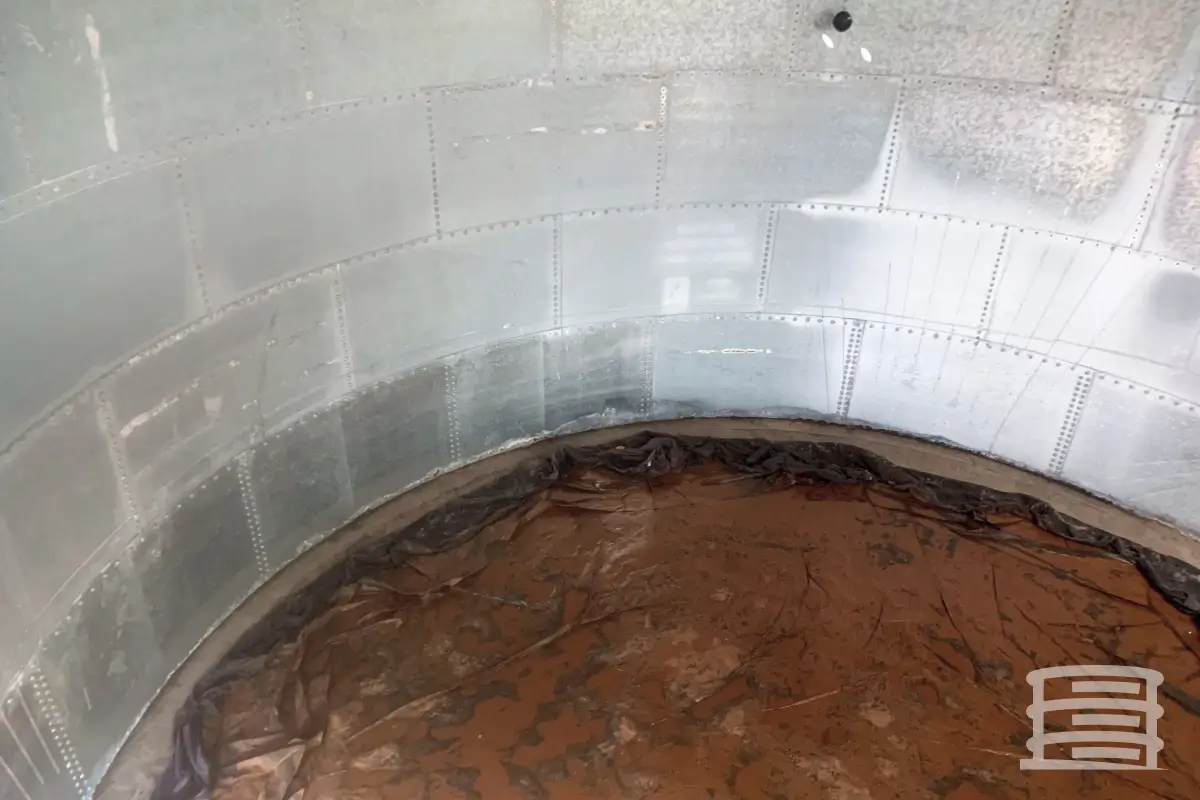
When considering water tank safety, leaving anything to chance is not an option. Delaying action could inevitably lead to your water tank posing a safety risk.
One critical aspect requiring regular inspection in your water tank is the spillway, overflow, and drainage systems. Ensuring the proper functioning of these systems is crucial for water tank safety, as they are responsible for containing any surplus water effectively.
In this blog post, we will delve into the significance of routine inspections for these components of your water tank system and provide guidance on how to conduct them yourself.
What are SpillWay, Overflow and Drain Systems?
A spillway serves as an outlet for excess water when a tank reaches its maximum capacity, preventing overflow and potential tank damage while regulating water levels in the nearby environment.
The water overflow system of a tank typically consists of a pipe or channel encircling the tank’s perimeter, designed to collect and redirect any overflowing water away from the tank. This prevents water damage to the surrounding area and helps manage environmental water levels.
A drain system comprises pipes and valves intended for removing water from the tank for maintenance purposes or to prevent stagnant water accumulation at the tank’s base. This promotes the maintenance of clean, debris-free water within the tank, reducing the risk of harmful bacteria and impurities.
Regular inspections are essential to verify the proper functioning of each system, mitigating potential water-related hazards.
Why Spillways, Overflows and Drain Systems Should be Inspected Regularly
Regular inspections of water tank spillways are essential for many reasons.
1. Safety
Spillways play a crucial role in preventing tank overload and potential failure. A clogged or damaged spillway can lead to improper functioning, risking tank overflow and consequent harm to the surrounding area or even structural failure. Regular inspections are essential to ensure the spillway’s integrity and proper functionality.
2. Environmental protection
Spillways serve to regulate local water levels and mitigate environmental damage caused by excess water. Regular inspections verify the spillway’s effectiveness, ensuring proper handling and diversion of water from the storage tank.
3. Water management
Regularly inspecting spillways with the assistance of a professional water tank maintenance and repair company enables the identification and resolution of water management issues like clogging or erosion.
4. Cost savings
Regular inspections play a crucial role in identifying potential issues before they escalate into costly problems. By conducting routine inspections, water tank owners and operators can proactively address issues, avoiding expensive repairs or replacements, and ensuring the tank’s long-term safety and durability.
How to do Regular Inspection
Here’s how you can inspect spillways and water overflowing systems in water tanks:
- Visual Examination: Start by visually inspecting the spillway and overflow for any signs of damage, such as cracks, holes, or missing components. Also, check for debris or obstructions blocking water flow.
- Functional Test: Fill the water tank and observe the spillway and overflow to ensure they function properly. Look for any signs of obstruction or restricted water flow.
- Environmental Assessment: Check the surrounding area for signs of erosion, instability, or water damage caused by the overflow or spillway.
- Documentation: Record your inspection findings, including any observations, measurements, or notes on necessary repairs. This documentation can serve as a reference for future inspections and maintenance.
Ensure safety measures are followed during the inspection, including wearing appropriate protective gear and complying with relevant regulations. Seek assistance from a professional if you require additional knowledge or expertise to conduct the inspection effectively.
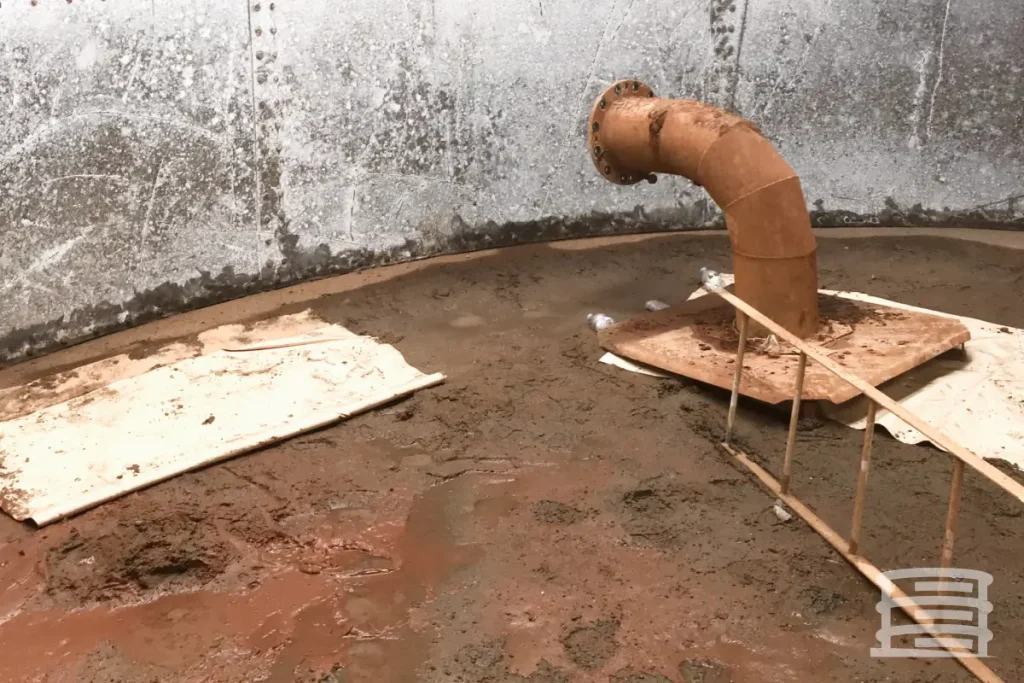
Things to Consider when Inspecting Spillaways and Drain Systems
When assessing the water spillway of a water tank, consider the following factors:
- Specifications: Understand the design specifications of the spillway, including its size, shape, and capacity, to evaluate its performance and detect any deviations from the design.
- Water Management Needs: Consider how the spillway fits into the broader water management system of the surrounding area and ensure it meets water management requirements.
- Potential Hazards: Identify and address any potential hazards associated with the spillway, such as water damage or structural failure, to prevent accidents or damage.
- Maintenance and Repair Procedures: Learn the proper techniques for maintaining and repairing the spillway, including debris removal and obstruction clearance, to ensure its functionality.
- Safety Measures: Follow safety practices for inspecting the spillway, including wearing protective gear and complying with relevant regulations or recommendations to minimize risks.
- Tools and Equipment: Use appropriate tools and equipment for the inspection, such as measurement devices and protective clothing, to conduct a thorough assessment effectively.
Your Water Tanks are in Good Condition with Panel Tanks Vegas by American Tanks!
If you’ve observed consistent spilling, water overflow, or leakage from your water tank, it’s crucial to have it examined by a professional water tank service company with experience in addressing such issues.
At Panel Tanks Vegas by American Tanks, we offer comprehensive inspection and reporting services, whether your Panel Tanks Vegas by American Tanks unit is newly installed and requires its initial check or your outdoor concrete setup is two decades old and requires maintenance.
Contact us at +1 800 656 0167 to initiate your project!


