


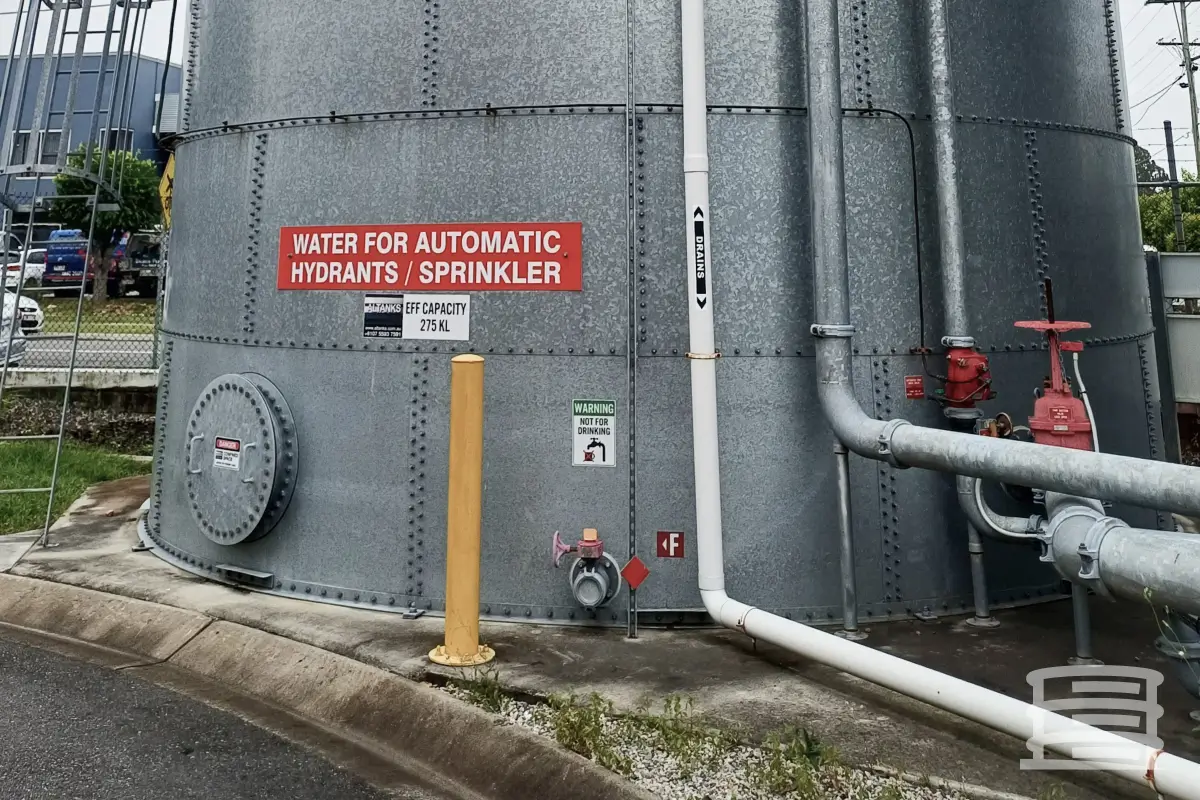
Water tank inspections play a crucial role in preventing leaks and ensuring the safety of water tanks.
In the United States, there are approximately 700,000 aboveground bulk storage tanks. Although these tanks are designed to withstand environmental conditions, they can develop leaks if not inspected regularly. Potential causes of tank leaks include equipment malfunctions, corrosion, and UV degradation.
At Panel Tanks Vegas by American Tanks, we prioritize the seriousness of tank leaks due to their potential for environmental contamination and workplace hazards. This is why we offer a comprehensive approach to tank management, encompassing regular inspections, repair protocols, and onsite remediation.
Our team of seasoned technicians conducts thorough inspections of your water tanks to identify any potential issues. Subsequently, we devise a tailored plan to address these concerns and maintain the safety and reliability of your tanks.
If you have any inquiries regarding water tank inspections or our tank management services, please don’t hesitate to reach out to us today. We are here to assist you in ensuring your water tanks remain in optimal condition.
Regular inspection and cleaning of water storage tanks are essential to maintain good water quality within the distribution system and prolong the tank’s lifespan. Consistent tank inspections also aid in detecting minor issues before they escalate into significant problems, potentially leading to health concerns and costly repairs or premature tank failure. Neglecting regular cleaning of tanks can result in contamination events harmful to human health or contribute to aesthetic complaints.
Why Tank Inspections Matter
A tank leak can lead to various severe repercussions. It can result in aesthetic concerns, expensive repairs, or even tank malfunction. Furthermore, a leaky tank has the potential to cause substantial environmental pollution and workplace accidents. Ultimately, routine tank inspections play a pivotal role in identifying and resolving potentially disastrous tank issues. While you might assume you can spot a leaking tank independently, this isn’t always accurate. Numerous tank leaks remain undetected for extended periods, allowing substances to seep into the surrounding groundwater before the problem is rectified.
What Does a Tank Inspection Entail?
Initially, we will ascertain the type of tank inspection you necessitate, which is contingent upon the contents housed within your storage tank. Throughout our thorough tank inspections, we offer an extensive array of services, encompassing:
- Roof inspection, including dome and seals
- Shell inspection
- Tank floor
- Aperture
- Coating and liner
- Evaluation of settlement
- Strapping and calibration
- Nozzle inspection
Our proficient tank inspectors will commence by examining the exterior of your tank to identify any cracks or crazing. In the event cracks are detected, our inspector will evaluate the depth and severity of the crack prior to conducting additional testing. Additionally, our inspectors will scrutinize the tank walls for signs of corrosion erosion. Lastly, they will assess the tank containment area for any environmental hazards. Should any tank issues be uncovered, it is not a cause for alarm. Our inspectors will evaluate the extent of the damage and provide recommendations to assist you in compliance. Frequently, our team can address any leaks within 24 hours following your inspection.
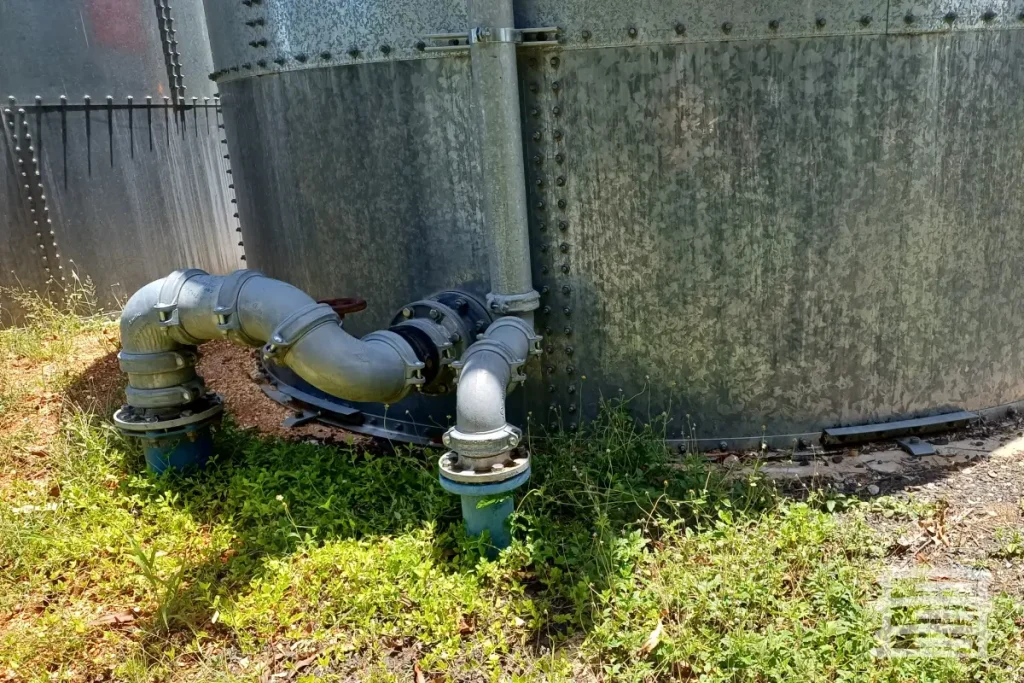
How Often Should a Water System Inspect and Clean Storage Tanks?
The frequency of inspections and cleanings may differ based on the tank type and water quality. Ideally, water storage tanks should undergo inspection at least every five years, with more frequent inspections mandated by state regulations if necessary. Cleaning and repairs should be conducted in accordance with the findings of the tank inspection. It is advisable to schedule additional inspections between maintenance intervals as a proactive measure.
Circulation
Maintaining circulation is crucial for preventing water stratification within a tank. Additionally, to avoid freezing of potable storage tanks, proper circulation and water turnover are imperative.
Water is typically introduced to and extracted from the bottom of the water container via inlet and outlet piping. When the rate of filling exceeds the rate of extraction, the water level increases. Conversely, if the extraction rate surpasses the filling rate, the water level decreases. In a scenario where the filling and extraction rates remain constant, the system withdraws the water that was just added. Consequently, stagnant water accumulates at the top of the container due to insufficient circulation, leading to stratification and stagnation. Moreover, stagnant water may experience a depletion of chlorine, facilitating microbial growth and the emergence of undesirable tastes and odors. Incorporating mixers into your tank is a common and cost-effective method to mitigate these issues.
To discuss any of the concepts described here in more detail, our friendly and experienced customer service team can help. We offer tried and tested services around Houston, Texas and Longbeach, California.
Call Panel Tanks Vegas by American Tanks at +1 800 656 0167
Or email at info@paneltanks.vegas


