


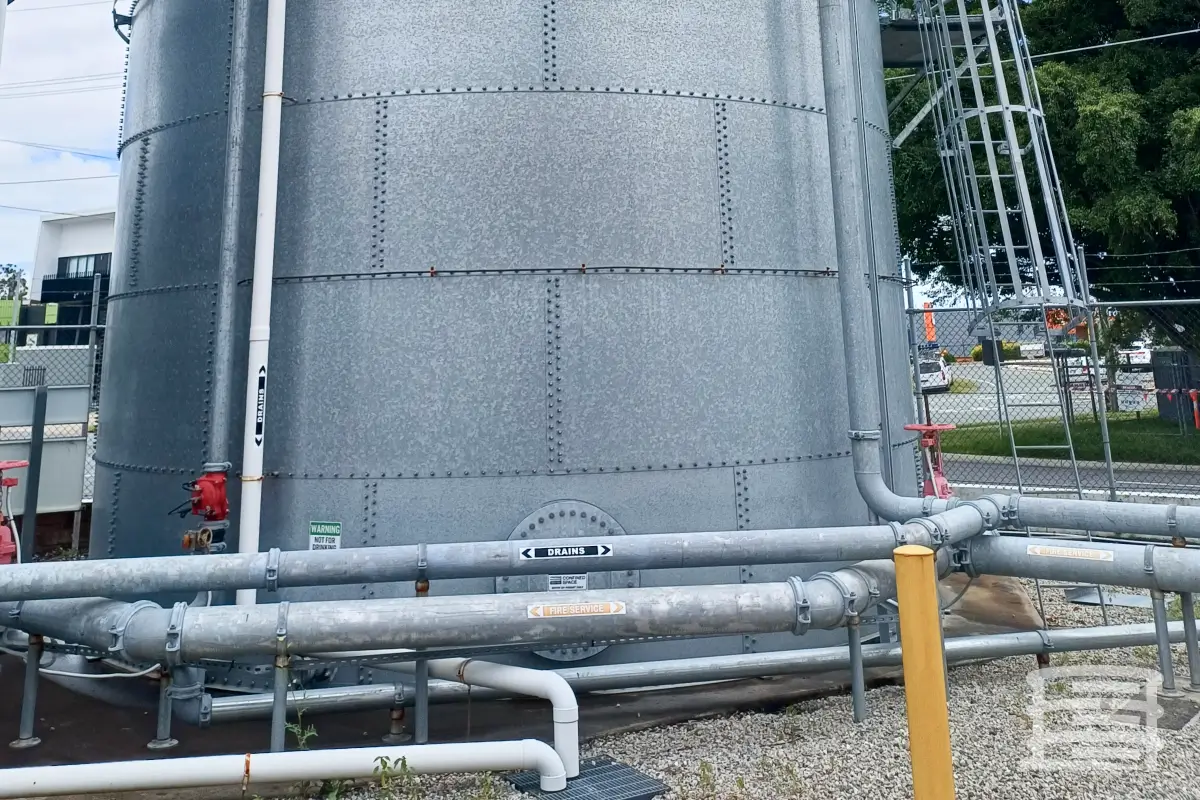
If you’ve noticed rust or damage on your metal equipment, your initial reaction might be that it’s too late to salvage it. In that case, you’re correct—it may indeed be too late to intervene. However, if preventive measures had been taken to shield your metal surfaces from corrosion beforehand, you could have spared yourself the trouble and expenses.
To prevent corrosion damage on active metal surfaces like tanks, the key is to safeguard them with suitable coatings, and cathodic protection is the solution. Dive into this article to explore cathodic protection further and discover how to effectively manage it.
What is Cathodic Protection?
Cathodic protection plays a vital role in the maintenance of water tanks. It serves to shield submerged or buried metal structures within these tanks from the harmful effects of rust and corrosion. This method is widely applied to safeguard an array of components within water tanks, including the tanks themselves, piping systems, valves, pumps, and other submerged or buried metal elements.
Despite its effectiveness in corrosion prevention, cathodic protection can pose a significant financial burden, particularly for large-scale steel assets.
Types of Cathodic Protection
The broad categories for cathodic protection services are ‘Galvanic’ and ‘Impressed Current Cathodic Protection.
Galvanic
Galvanic protection, also referred to as galvanization, involves applying a protective layer, primarily consisting of zinc, onto metal prone to corrosion, such as steel. In this process, the zinc layer acts as a sacrificial shield, sacrificing itself to protect the steel beneath it from corrosion. As the zinc layer gradually wears away over time, exposing the underlying steel, this approach is not suitable for long-term corrosion prevention strategies.
Impressed Current Cathodic Protection
In an impressed current cathodic protection system, anodes are constantly providing electrons, powered by a connected power source. This approach involves using anodes made of more active metals to sacrificially donate ions, thus shielding the vulnerable metal from corrosion. Typically, these anodes consist of alloys with a higher electrochemical potential, such as magnesium, aluminum, or zinc, akin to those used in batteries. This method is employed to offer prolonged protection against corrosion.
Why is Cathodic Protection Important?
Cathodic protection is crucial for water tanks to prevent corrosion and maintain structural integrity. Water tanks, especially those used for storing potable water, are prone to corrosion due to constant exposure to water and various environmental factors. Without adequate protection, corrosion can weaken the tank’s structure, leading to leaks, contamination of stored water, and potentially catastrophic failures.
By employing cathodic protection, water tanks can effectively mitigate the risk of corrosion on submerged or buried metal components, including the tank itself, piping systems, valves, and other internal components. This protective measure helps extend the lifespan of the water tank, ensures the safety and quality of stored water, and reduces the need for costly repairs or replacements.
Overall, cathodic protection is essential for water tanks to uphold their functionality, longevity, and reliability while safeguarding public health and environmental safety.
Prevents Corrosion
Leakage currents stemming from electrified railway networks, neighboring cathodic protection systems, operational welding equipment, and other direct current sources can pose a significant threat to the integrity of industrial water tanks and pipelines.
These leakage currents induce electrolytic corrosion in subsurface metal structures, potentially causing cracks even before the facility becomes operational. The soil, with its diverse composition and characteristics, further complicates the corrosion process, making it challenging to anticipate its corrosive effects on embedded metallic components, typically made of carbon steel.
Once corrosion is detected in underground pipes and storage tanks, the installation of a cathodic protection system becomes imperative. Such a system serves to mitigate various forms of corrosion, including soil corrosion, galvanic corrosion, leakage current-induced corrosion, or a combination thereof, thereby preserving the integrity and longevity of the infrastructure.
Economical
Galvanizing, anodizing, and painting are fundamental methods employed for corrosion prevention across various industries. These techniques are particularly beneficial for small, above-ground pipelines that are easily accessible for maintenance.
However, when it comes to high-pressure pipelines carrying oil and gas, additional measures are necessary to combat corrosion effectively. Maintaining a substantial safety factor for plate thickness at high pressures may not be cost-effective, potentially leading to income loss, increased maintenance expenses, and plant downtime. In these scenarios, a combination of coating and cathodic protection emerges as the most cost-efficient solution to ensure pipeline integrity and longevity.
Offers Safety and Efficiency
Cathodic protection offers a reliable solution for operating pipes, ensuring their safety and efficiency even in corrosive soil conditions. Whenever a system is exposed to harsh environments, considering cathodic protection is essential. It’s worth noting that cathodic protection can theoretically be applied to buried or submerged pipelines.
In addition to coating, cathodic protection serves as an effective method for pipeline protection. In cases where coating thickness does not meet standards or coating quality could be improved, cathodic protection can be applied to specific pipeline sections. Moreover, it can also be utilized for bare pipelines to enhance their corrosion resistance.
To Conclude
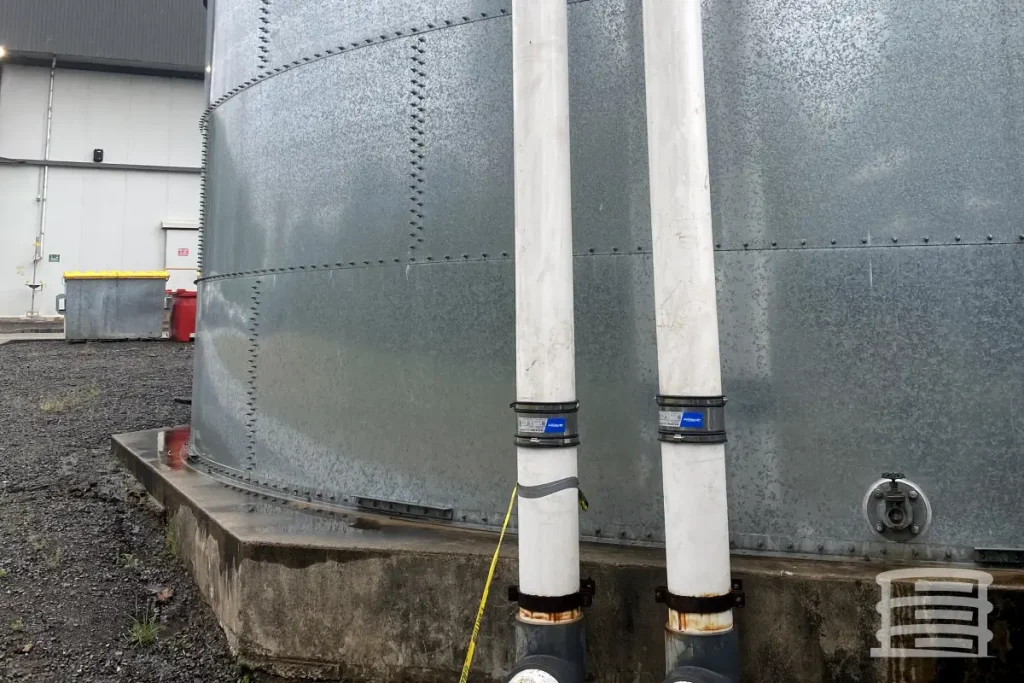
Cathodic protection systems play a crucial role in safeguarding steel infrastructure, thereby enhancing asset utilization. Renowned for its effectiveness in preventing corrosion damage to metal surfaces, cathodic protection is widely utilized to protect various structures, including pipelines, tunnels, water treatment plants, offshore production platforms, underwater storage tanks, ship hulls, and more.
Need Tank Refurbishments? Call Panel Tanks Vegas by American Tanks Now!
Once you inquire about Water Tank Cleaning, we’ll arrange for an on-site inspection to assess the condition of your tanks. Our cleaning team from Panel Tanks Vegas by American Tanks will then tailor a customized plan for cleaning and addressing any essential repairs.
Following this, we’ll provide you with a quote for the desired services and schedule a convenient time to commence the cleaning process at your site. Feel free to contact us at +1 800 656 0167. Don’t hesitate to reach out today!
Or email at info@paneltanks.vegas


