


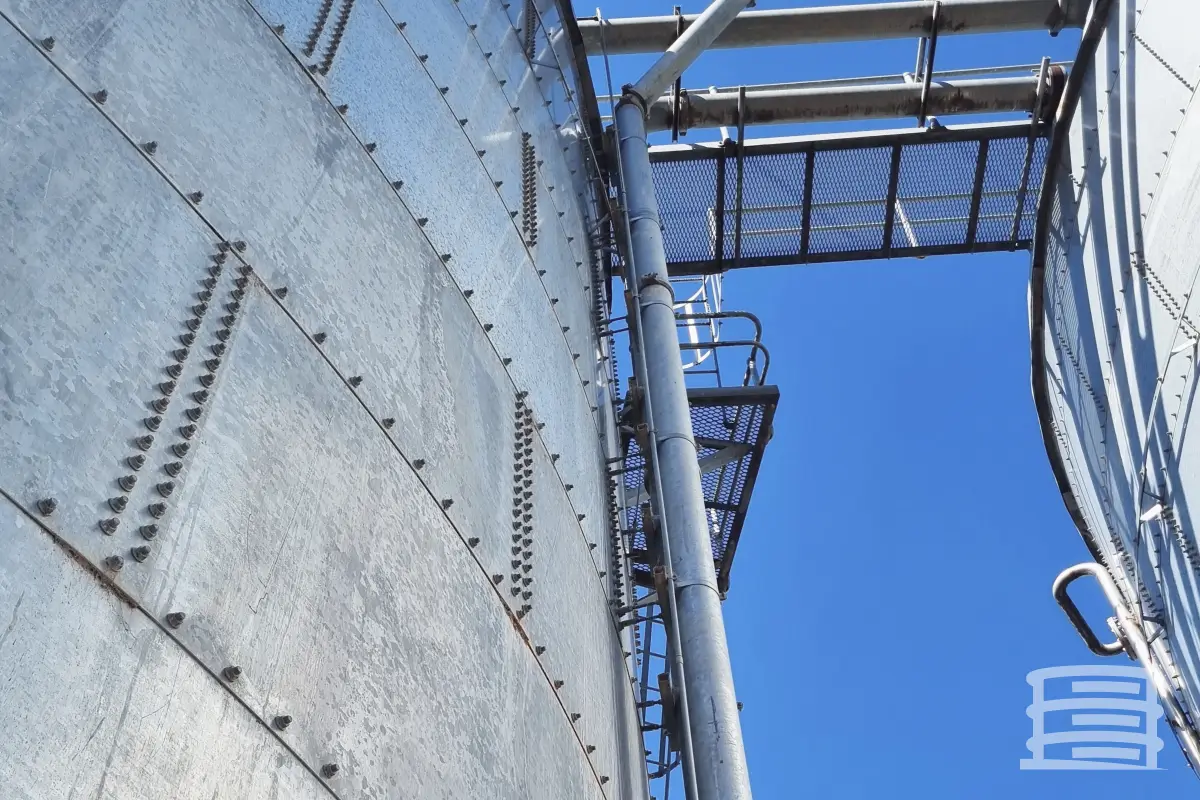
When acquiring a water storage tank, the process of configuring and selecting the appropriate tank is often necessary early in the project design phase. Factors such as the construction schedule and overall project expenses are taken into account when seeking and securing available funding. Given that many municipalities rely on a single water storage source, the design of the tank plays a crucial role in meeting both current and future community needs.
Several key factors, including community water demands, site conditions, pressure requirements, long-term maintenance considerations, accessibility, and overall expenses, must be assessed during the final selection of the tank configuration process.
For municipal water storage applications, three types of liquid storage tanks are commonly available: glass-coated bolted steel, welded painted steel, and concrete.
1. Manufacturing Process
The technology and manufacturing procedures of this equipment set it apart from painted steel or concrete structures. Unlike field-manufactured products such as painted steel or concrete tanks, the factory manufacturing process eliminates uncontrolled variables. Factors like worker experience and extreme climatic conditions, which have been known to greatly affect in-field manufactured products, have minimal impact on the glassing process. Moreover, since the tanks are manufactured in the factory and only require assembly of components in the field, they can be erected throughout the year.
2. Coating
All storage tanks undergo coating processes, with options including paint, concrete, or glass. Glass coatings offer distinct advantages due to their impermeability and properties.
The glass coating procedure commences with a glass frit, which is mixed with other minerals and water to create a liquid slurry. This slurry is then meticulously sprayed in precise amounts and thicknesses onto pre-cut and rolled steel sheet panels, which have undergone punching, grit-blasting, and cleaning processes.
In contrast to coatings for other tanks that rely on a mechanical bond with the underlying material, the chemical bond strength of glass coatings is significantly higher. This chemical bond prevents the undercutting of the coating, which could otherwise lead to corrosion spreading on the primary steel material. To illustrate, consider a scratch on a car. With a coating that only has a mechanical bond, corrosion would occur upon steel exposure. If left untreated, this corrosion would extend beneath the surrounding painted surface, compromising the remaining coating.
Common signs of this issue include raised bubbles, spreading rust, and weakened substrate. However, the chemical bond of a glass-fused-to-steel coating prevents corrosion from spreading even if the coating is compromised.
3. Tank Construction
During the assembly of a glass-coated bolted steel storage tank, a jacking system is employed. Initially, the tank’s top ring is assembled on the jacks, following the placement of the starter sheet (bottom ring), which is either embedded in the concrete foundation or constructed using a glass-fused-to-steel floor design. Subsequently, the tank’s roof is installed, and both the ring and roof are elevated using jacks. Each subsequent ring is then bolted together beneath the top ring, with a urethane sealant applied between the seams.
The tank construction follows a top-down approach, facilitating a safer and more efficient assembly process. Typically, the erection process is finalized within a week or two, leading to cost savings for the owner, especially when utilizing prevailing wages for onsite labor. Moreover, the manufacturer mandates that all construction crews undergo factory training and certification in the erection process, ensuring quality control during field operations.
4. Maintenance
Glass-coated bolted steel tanks boast an extended lifespan due to their permanent glass coating, eliminating the need for periodic painting. These tanks are often preferred in locations where a durable and aesthetically pleasing appearance is desired over the long term.
5. Flexibility
The bolted design and assembly process of this product offer considerable flexibility. Unlike on-site manufacturing, which necessitates extensive staging areas, production in a factory eliminates this requirement. Typically, the construction of the tank can be achieved with a minimal cleared space of 6 to 10 feet around its diameter. This compact footprint not only saves significant project costs but also reduces the overall expenses associated with the tank. Furthermore, the panels are lightweight and can be assembled manually without the need for cranes or specialized equipment, enabling installation in locations that would be inaccessible for other tank types.
6. Expandability
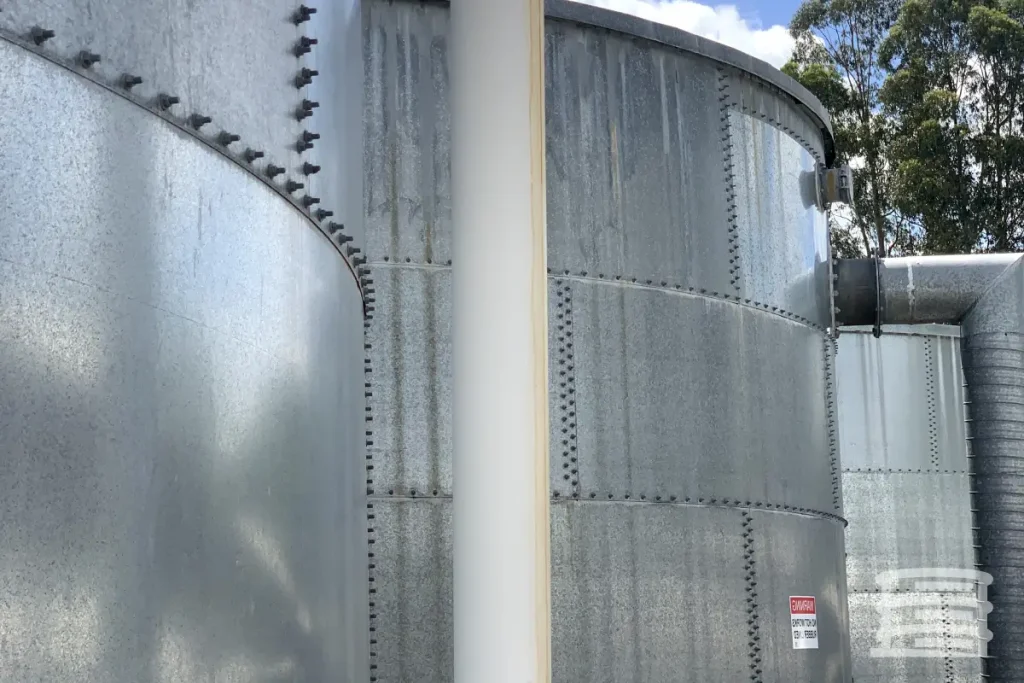
The design of the glass-coated bolted tank enables vertical expansion. In the event of community or industrial growth necessitating increased capacity, the tank’s jacking process offers a quick and cost-effective solution. A factory-trained construction crew can easily execute this process by removing the bottom ring from the original starter sheet, raising the tank, and adding the necessary number of rings to accommodate the new capacity. Importantly, when these tanks are expanded, there is no discernible distinction between the original and new panels.
Conclusion
When evaluating tank designs and materials, it’s crucial to consider factors like initial construction expenses, expected lifespan, and ongoing maintenance costs. Assessing long-term maintenance expenses and life cycle is essential when choosing the right product for a particular project. Since project funding can vary based on numerous factors, a comprehensive analysis of initial costs and future maintenance savings can help communities determine the most suitable product for their requirements.
To discuss any of the concepts described here in more detail, our friendly and experienced customer service team can help. We offer tried and tested services around Houston, Texas and Longbeach, California.
Call Panel Tanks Vegas by American Tanks at +1 800 656 0167
Or email at info@paneltanks.vegas


