


While the Earth may seem abundant in water, only approximately three percent of it is freshwater. Of this, a mere 1.2 percent is suitable for drinking, with the remainder locked in glaciers, ice caps, permafrost, or deep underground.
Water is indispensable for sustaining human civilization. In the United States alone, daily consumption of surface water amounts to 327 billion gallons. Just imagine the total global water usage!
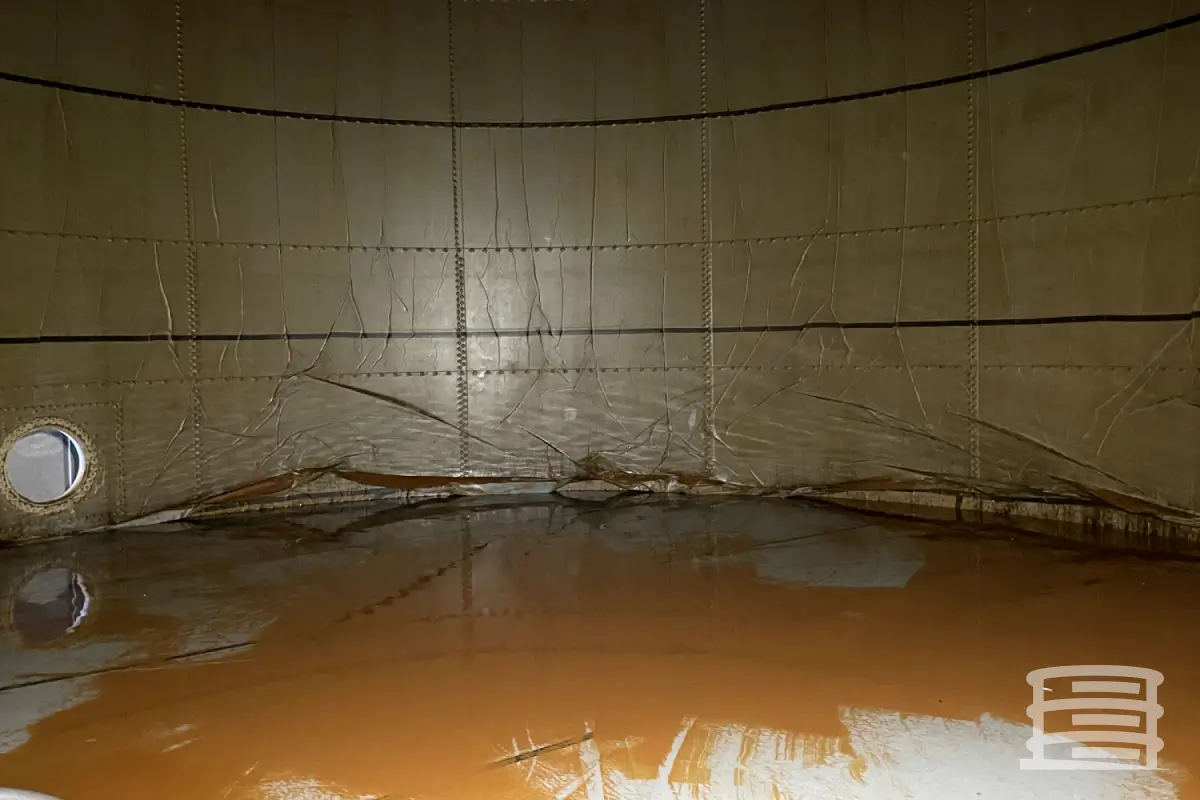
Ever wondered how vast quantities of clean freshwater are stored? Water storage tanks play a vital role in this. Maintaining a leak-free and operational storage tank is essential for any water storage facility. Therefore, conducting regular inspections to ensure the tank’s integrity, particularly inspecting the tank bottom, is crucial.
What’s the Point of Water Tank Inspections and Maintenance?
Implementing a consistent inspection schedule for tanks, akin to that for other assets, can significantly reduce maintenance and replacement costs in the long term. Most conventional tank materials, if not adequately maintained, will degrade over time due to corrosion, cracking, and rusting.
According to the American Water Works Association (AWWA), potable water storage towers should undergo inspection every three to five years. Additionally, many tank manufacturers stipulate regular inspections as a condition for warranty coverage. Beyond the tanks themselves, regular inspections of potable water storage facilities are crucial for ensuring the provision of clean water supplies.
Although sediment may gradually accumulate at the bottom of tanks, its presence in trace amounts typically does not affect water quality or compromise the stability of the storage tank.
The Key Benefits of Conducting Proper Tank Bottom Inspections
It is essential to work with proper tank bottom inspections to look out for any problem, and aside from that, these are the key benefits of conducting proper tank bottom inspections:
Quick Detection of Leaks
Regular inspections play a crucial role in the early detection of bottom leaks in water tanks, allowing prompt correction before they escalate and contaminate the water supply.
Preservation of structural integrity
Inspections help ensure that the tank remains structurally sound and free from corrosion or deterioration that could compromise its stability.
Prevention of water contamination
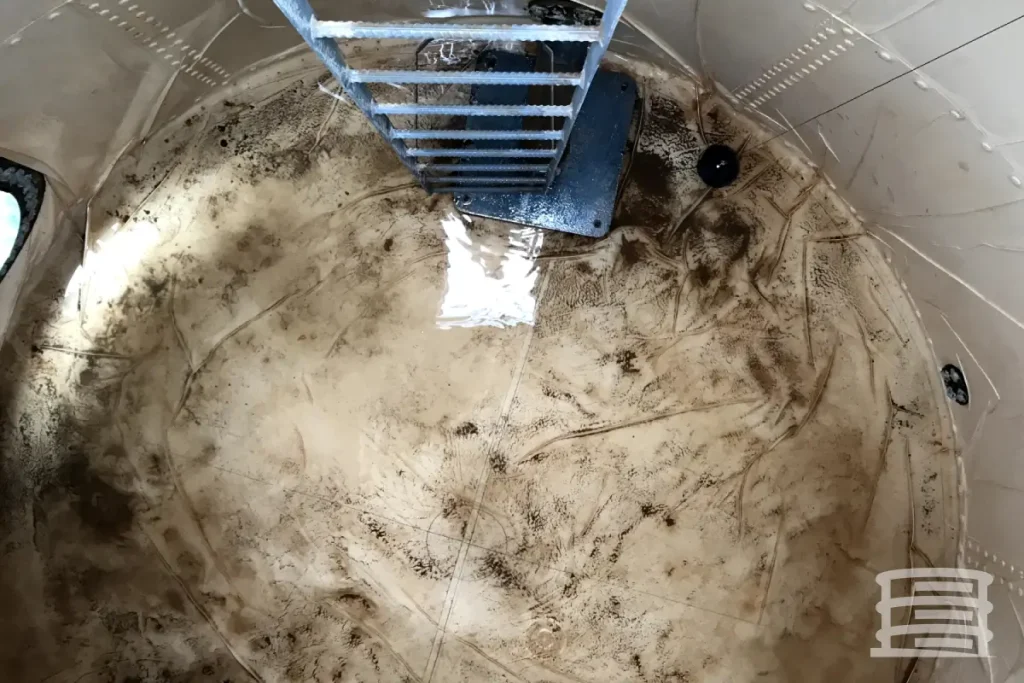
Inspections reveal any impurities or pollutants accumulating on the tank bottom, safeguarding the water quality and protecting consumers from potential health risks.
Cost savings
Timely identification of issues during inspections can prevent expensive repairs in the future, prolonging the tank’s lifespan.
Compliance with regulations
In many regions, regular tank inspections are legally mandated to ensure the safety and purity of the water supply.
To uphold the safety and quality of stored water, regular bottom inspections of tanks are essential. Investing in this critical measure ensures a safer and more reliable water supply.
Checklist for Conducting Bottom Tank Inspections
- Inspect the exterior of the tank for signs of corrosion, cracks, or deterioration, paying close attention to seams, joints, and connections.
- Verify the tank’s support system to ensure adequate support and absence of settling or shifting.
- Examine the tank’s roof for damage, leaks, and overall condition.
- Evaluate the interior for corrosion, silt buildup, and pollutants, checking for leaks at the bottom and any damage to the walls.
- Check the functionality of inlets and exits, ensuring no leaks or corrosion.
- Inspect the ventilation system to ensure proper ventilation and prevent gas buildup.
- Evaluate access points to ensure they are secure and facilitate maintenance and inspections.
- Monitor the water level for stability and signs of leaks or changes.
- Test the water quality by taking a sample for analysis to ensure it meets regulatory standards.
- Document all findings and note any necessary repairs or maintenance following the inspection.
By adhering to this thorough storage tank bottom inspection checklist, you can verify that your tank is in good shape and that its water is safe and high quality.
Get The Proper Tank Inspection You Need!
As storage containers age, we assess various types of tanks including potable water, chemical, fuel, and bulk dry goods tanks, focusing on commonly observed issues. State regulations mandate that all commercial storage tanks undergo annual inspections conducted by licensed specialists.
Whether you have a newly installed Panel Tanks Vegas by American Tanks unit awaiting its first inspection or you’re concerned about an aging concrete setup that’s been in use for 20 years, we’re here to conduct comprehensive examinations and provide detailed reports. Contact us at +1 800 656 0167 to schedule your inspection.


